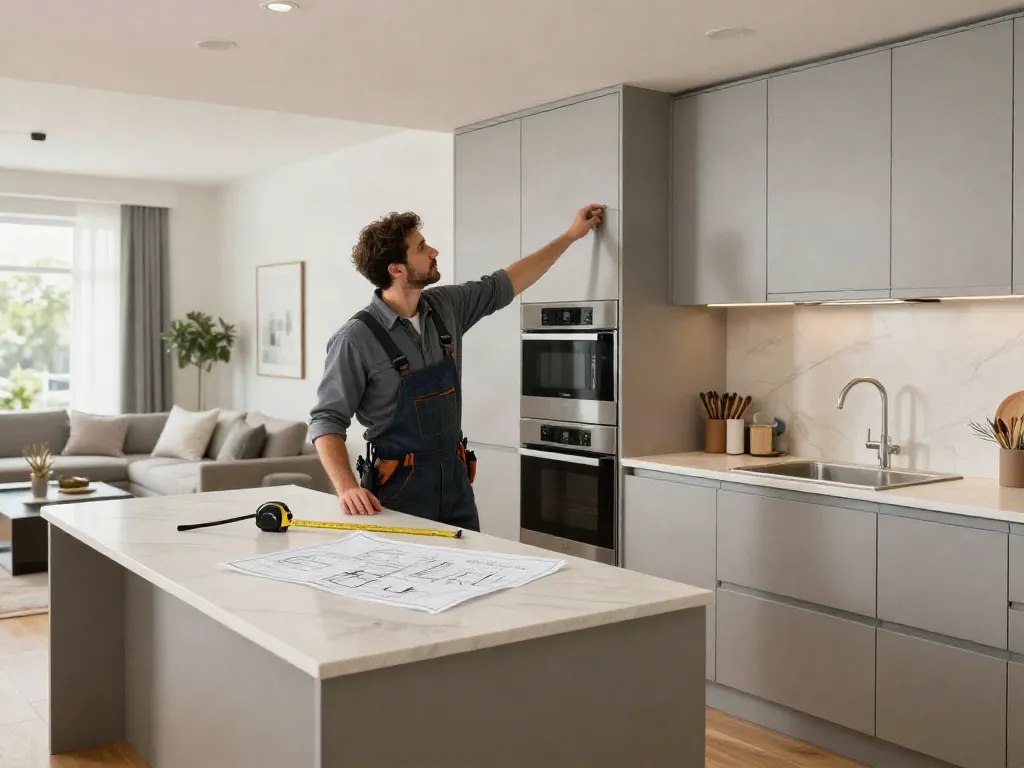
Understanding the Role of an Interior Fit Out Contractor
In the ever-evolving landscape of construction, the role of an Interior fit out contractor has become crucial for delivering high-quality, tailored spaces that meet specific client needs. These professionals are responsible for transforming raw spaces into functional, safe, and aesthetically pleasing environments. Whether it's a commercial office, a hospitality venue, or a residential project, fit out contractors manage a wide array of responsibilities, ensuring that every detail aligns with the vision of the client and the standards of the industry.
What is an Interior Fit Out Contractor?
At its core, an interior fit out contractor specializes in the conversion of empty shell spaces into usable environments. This entails a thorough understanding of design principles as well as technical knowledge regarding construction practices. Fit out contractors may work directly with clients or alongside architects and engineers to ensure that every element—from layout to finishes—is executed flawlessly. They are typically involved in every phase of the project, from initial assessments and budgeting to final inspections and quality assurance.
Key Responsibilities of Fit Out Contractors
- Project Management: Overseeing the entire fit-out process, ensuring timely completion and effective allocation of resources.
- Client Communication: Acting as the main point of contact between clients and subcontractors, facilitating smooth communication throughout the project.
- Design Implementation: Collaborating with designers to translate design concepts into actionable plans that can be executed on-site.
- Quality Control: Maintaining high standards of workmanship and ensuring compliance with relevant building codes and regulations.
- Budget Management: Monitoring project costs and making necessary adjustments to keep the project within financial constraints.
Importance of In-House Fabrication
One of the significant advantages of hiring an interior fit out contractor that provides in-house fabrication services is the enhanced control over quality and lead times. In-house fabrication allows for greater flexibility in design changes and a more streamlined workflow. For instance, at Al Taher Group, all metal and carpentry works are fabricated within the same facility, minimizing delays that typically arise from coordinating multiple subcontractors. This integrated approach ensures that materials are finished to exact specifications, providing a cohesive look and feel throughout the project.
Choosing the Right Interior Fit Out Contractor
When embarking on an interior fit out project, selecting the right contractor is key to the success of the endeavor. A well-chosen contractor can significantly impact the project's efficiency, quality, and overall satisfaction.
Factors to Consider When Hiring
- Experience and Credentials: Check for a portfolio of completed projects and client testimonials to gauge experience levels.
- Specialization: Ensure the contractor has specific experience in the type of fit-out you require, whether residential, commercial, or industrial.
- Financial Stability: A financially stable contractor is more likely to deliver projects on time and avoid unexpected costs related to cash flow problems.
- References: Ask for references and follow up with past clients to understand their experiences with the contractor.
Interview Questions for Potential Contractors
When interviewing potential contractors, it's important to ask questions that reveal their capabilities and compatibility with your project. Some key questions include:
- What is your process for project management and communication?
- Can you provide examples of similar projects you have completed?
- How do you handle unexpected challenges during a project?
- What is your approach towards managing budgets and timelines?
Evaluating Portfolios and References
Reviewing a contractor's portfolio provides insight into their workmanship and design capabilities. Look for:
- Variety of completed projects, showcasing versatility.
- Attention to detail and quality in finishes.
- Client satisfaction ratings and reviews, particularly for projects similar to yours.
Common Challenges in Interior Fit Out Projects
Despite the best planning and preparations, interior fit out projects can present various challenges. Understanding these challenges enables better preparation and management.
Budget Management Strategies
Budget overruns are a common concern in fit out projects. To mitigate this risk:
- Establish a comprehensive budget at the project's commencement, including contingencies.
- Regularly review expenses against the budget to avoid surprises.
- Encourage transparency from all subcontractors regarding their costs.
Timelines and Scheduling Conflicts
Delays can arise due to multiple factors, including labor shortages and supply chain disruptions. To manage timelines effectively:
- Implement a detailed project schedule with milestones.
- Communicate regularly with all stakeholders to keep everyone aligned on progress.
- Utilize project management software to track progress in real-time.
Addressing Client Expectations Effectively
Misaligned expectations can lead to dissatisfaction and conflict. It is essential to:
- Clearly outline scopes of work and deliverables at the project's onset.
- Involve clients in the decision-making process throughout the project.
- Provide regular updates to keep clients informed about progress and changes.
Best Practices for Successful Interior Fit Out Projects
Implementing certain best practices can significantly increase the likelihood of a successful outcome for fit out projects.
Effective Project Management Techniques
Successful project management relies on a clear understanding of project goals, efficient use of resources, and time management. Consider:
- Establishing clear roles and responsibilities for all team members.
- Using timelines and schedules to keep the project on track.
- Regularly reviewing project goals and adjusting plans as necessary.
Communication Strategies with Clients
Open and effective communication is critical for maintaining client relationships. Employ the following strategies:
- Schedule regular meetings with clients to discuss progress and address concerns.
- Utilize both verbal and written communication to keep clients informed.
- Encourage client feedback and be responsive to their needs.
Quality Control and Assurance Measures
To maintain high-quality standards, consider these quality control measures:
- Implement regular inspections throughout the project lifecycle.
- Establish a checklist of quality standards for different stages of work.
- Encourage feedback from team members to identify areas for improvement.
Future Trends in Interior Fit Out for 2026 and Beyond
As the industry continues to evolve, several trends are emerging that will shape the future of interior fit outs. Staying informed about these trends can give contractors a competitive edge.
Innovative Design Trends to Watch
The future of interior design is leaning towards minimalism, multifunctionality, and customization. Features such as adaptable workspaces and sustainable materials will likely dominate in future projects.
Sustainability in Interior Fit Out
With increasing awareness of environmental issues, sustainable practices are becoming essential within the fit out sector. Utilizing green materials and energy-efficient systems is a trend that is expected to grow.
The Impact of Technology on Fit Out Processes
Technological advancements are enhancing project efficiency and accuracy. Tools like Building Information Modeling (BIM) and augmented reality (AR) are increasing precision in design and execution.
What Are the Benefits of Choosing a Local Contractor?
Local contractors like Al Taher Group have an advantage due to their familiarity with regional materials and regulations, as well as their established relationships with suppliers and subcontractors in the area. This can result in smoother project execution.
How to Adapt to New Regulations and Standards?
Staying updated on changes in building codes and regulations is essential for compliance and safety. Continuous education and attending industry seminars can help contractors remain informed and adapt effectively.